Escrow in a California Business Sale
Most California business sales close through a formal escrow handled by a licensed escrow holder, and many asset sales are subject to California's "bulk sale" law. Escrow is the neutral third party that holds funds and documents, coordinates the closing, and ensures the conditions of the sale are met before money and ownership change hands. In California, business escrow carries specific legal requirements designed largely to protect the buyer from inheriting the seller's undisclosed debts.
Get a confidential, no-obligation valuation from a broker who knows the California market and how deals actually get closed here.
The Bulk Sale Law and Notice to Creditors
California's bulk sale law (under the Uniform Commercial Code) applies to many sales of a business's assets. Its centerpiece is a required notice to creditors: before closing, a notice of the bulk sale is recorded and published, giving the seller's creditors a window to make claims. This protects the buyer — who's purchasing the assets — from later being pursued for the seller's unpaid debts tied to those assets. The escrow holder manages this notice-and-waiting process, which affects the closing timeline.
Licensed Escrow Holders
California regulates escrow, and business-opportunity escrows are handled by licensed escrow companies (or others authorized under California law). Using a qualified escrow holder experienced in business sales — not just real estate — matters, because business escrow involves the bulk-sale notice, tax clearances, license coordination, and lien searches that a general closing doesn't. The escrow holder is neutral, serving the transaction rather than either party.
What Escrow Protects and Coordinates
- Funds — the buyer's money is held safely until all conditions are met
- Notice to creditors — the bulk-sale publication and waiting period
- Lien and UCC searches — confirming what's owed against the assets
- Tax clearances — coordinating CDTFA and other clearances to avoid successor liability
- Prorations and payoffs — settling amounts owed at closing
- Document delivery and recording
The Escrow Timeline
Business escrow in California typically runs a few weeks to a couple of months, driven substantially by the bulk-sale notice period, tax clearances, and any license transfers. The creditor-notice waiting period alone builds in a set number of days before closing can occur. This is why California closings aren't instant — the protective steps take time. Building this into your timeline avoids surprises. See how long it takes to sell a business.
Escrow and Wire Fraud Prevention
Because escrow moves large sums, wire fraud is a real risk. Always verify wiring instructions verbally through a known, trusted phone number before sending funds, and be suspicious of any last-minute change to payment instructions. A reputable escrow holder has security protocols, but buyers and sellers should stay vigilant. Coordinate escrow with your broker and attorney as part of the overall California sale.
Note: This article is general educational information, not legal or tax advice. California rules are complex and change — consult a qualified California attorney and CPA about your specific situation.
Frequently Asked Questions
Is escrow required to sell a business in California?
Most California business sales close through a formal escrow, and many asset sales are subject to California's bulk sale law, which requires a notice to creditors handled through escrow. Escrow holds funds and documents, coordinates closing conditions, and protects the buyer from inheriting the seller's undisclosed debts.
What is the bulk sale law in California?
California's bulk sale law, under the Uniform Commercial Code, applies to many sales of a business's assets and requires a notice to creditors, recorded and published before closing, giving the seller's creditors a window to make claims. This protects the buyer from later being pursued for the seller's unpaid debts tied to the assets.
How long does business escrow take in California?
Typically a few weeks to a couple of months, driven largely by the bulk-sale creditor-notice waiting period, tax clearances, and any license transfers. The notice period builds in a set number of days before closing, which is why California business closings aren't instant.
Who handles business escrow in California?
A licensed escrow holder experienced in business sales, not just real estate, since business escrow involves the bulk-sale notice, tax clearances, license coordination, and lien searches a general closing doesn't. The escrow holder is a neutral third party serving the transaction rather than either side.
Closing a California Business Sale?
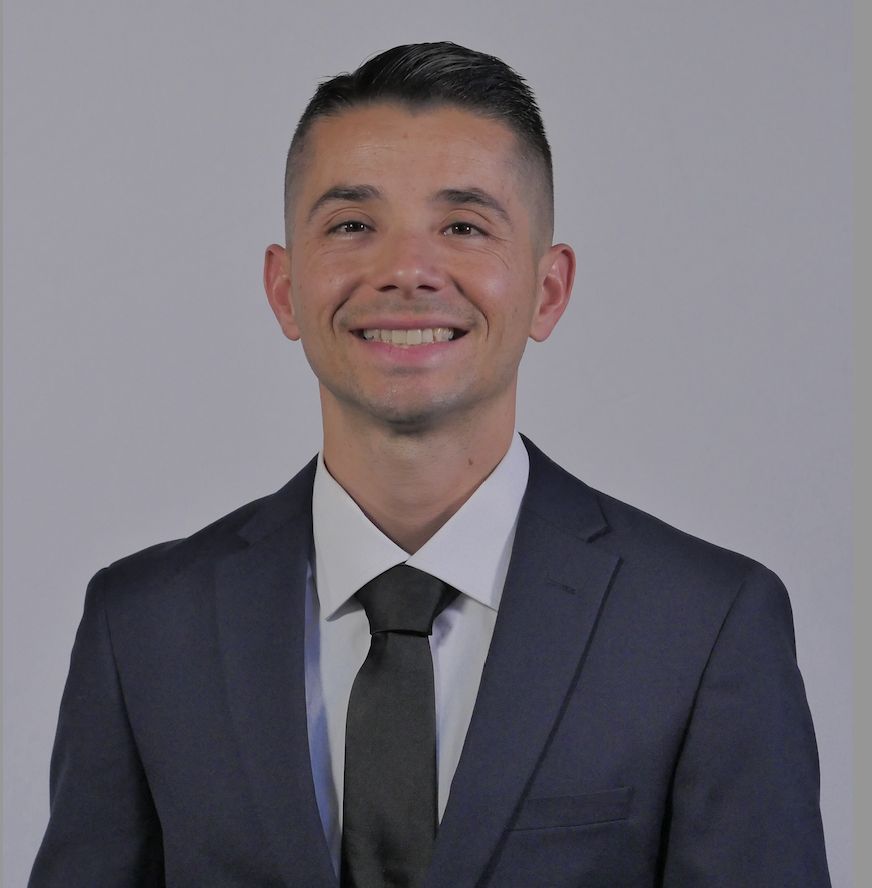
Martin Navarro helps sellers and buyers navigate California escrow, bulk-sale notice, and tax clearance to a clean close. Let's talk, confidentially and with no obligation.
Request a Free Valuation Call or text: 818-633-3254 · martin@martinthebizbroker.com