SBA Loans in California: Federal Rules, Local Realities
SBA loan requirements are set at the federal level and are the same in California as anywhere — but several California-specific realities shape how SBA deals actually get done here. The core requirements — a qualified borrower, an eligible business with adequate cash flow, roughly 10% down, and a personal guarantee — all apply. What California adds is context: higher prices, strict environmental and employment rules, and specific licensing and clearance steps.
Get a confidential consultation on finding, valuing, and financing the right acquisition — from a broker who works with buyers every day.
The Core (Federal) Requirements
Every SBA loan, in California or elsewhere, requires that both borrower and business qualify. See SBA loan requirements for the full picture, but in brief:
- Borrower: solid credit, relevant experience, the required equity injection, good character
- Business: for-profit, U.S.-based, eligible industry, meets size standards, with cash flow that covers the debt
- ~10% down and a personal guarantee from 20%+ owners
Higher Prices, Bigger Loans
California businesses — and especially the real estate they occupy — often carry higher price tags than in other states. That means larger loans and larger equity injections in absolute dollars. Buyers should plan their cash needs accordingly, and a standby seller note can be especially valuable here to bridge the equity requirement on a pricier deal.
Lease Term Requirements
SBA loans generally require the lease term (including options) to match the loan term — often up to 10 years for a business acquisition. In competitive California markets with landlords who hold leverage, securing a lease of sufficient length and getting it assigned can be one of the trickier parts of a California SBA deal. Address the lease early, because the loan can hinge on it.
Environmental Review
California's strict environmental regulation means environmental review can be a bigger factor in SBA deals here, particularly for businesses like auto repair, dry cleaning, gas stations, and manufacturing. Lenders may require environmental assessments, and contamination issues can stall or reshape a deal. For affected industries, factor environmental diligence into your timeline and budget.
Tax Clearances and Closing
California SBA closings coordinate with the state's bulk-sale escrow and tax-clearance process, which can add time. The lender, escrow holder, and your advisors work these in parallel. The takeaway for California buyers: the federal SBA requirements are your foundation, but plan for California's added steps, and work with a lender and team experienced in California acquisitions. See buying a business in California.
Frequently Asked Questions
Are SBA loan requirements different in California?
The core SBA requirements are federal and the same in California, a qualified borrower, an eligible business with adequate cash flow, roughly 10% down, and a personal guarantee. What differs is context: higher California prices and larger loans, strict environmental and employment rules, lease-term requirements, and state tax-clearance and bulk-sale steps at closing.
Does an SBA loan require a certain lease term in California?
Generally yes. SBA loans typically require the lease term, including options, to match the loan term, often up to 10 years for an acquisition. In competitive California markets, securing a lease of sufficient length and getting it assigned by the landlord can be one of the trickier parts of the deal, so it's addressed early.
Does environmental review affect SBA loans in California?
It can, more so than in many states given California's strict environmental regulation. For businesses like auto repair, dry cleaning, gas stations, and manufacturing, lenders may require environmental assessments, and contamination issues can stall or reshape a deal. Affected buyers should budget time and money for environmental diligence.
How much down payment do you need for an SBA loan in California?
The same federal minimum of about 10% of total project cost applies, but California's higher business and real-estate prices mean that 10% is a larger dollar amount. Buyers should plan their cash needs accordingly, and a standby seller note can help meet the equity requirement on a pricier California deal.
Financing a California Acquisition with SBA?
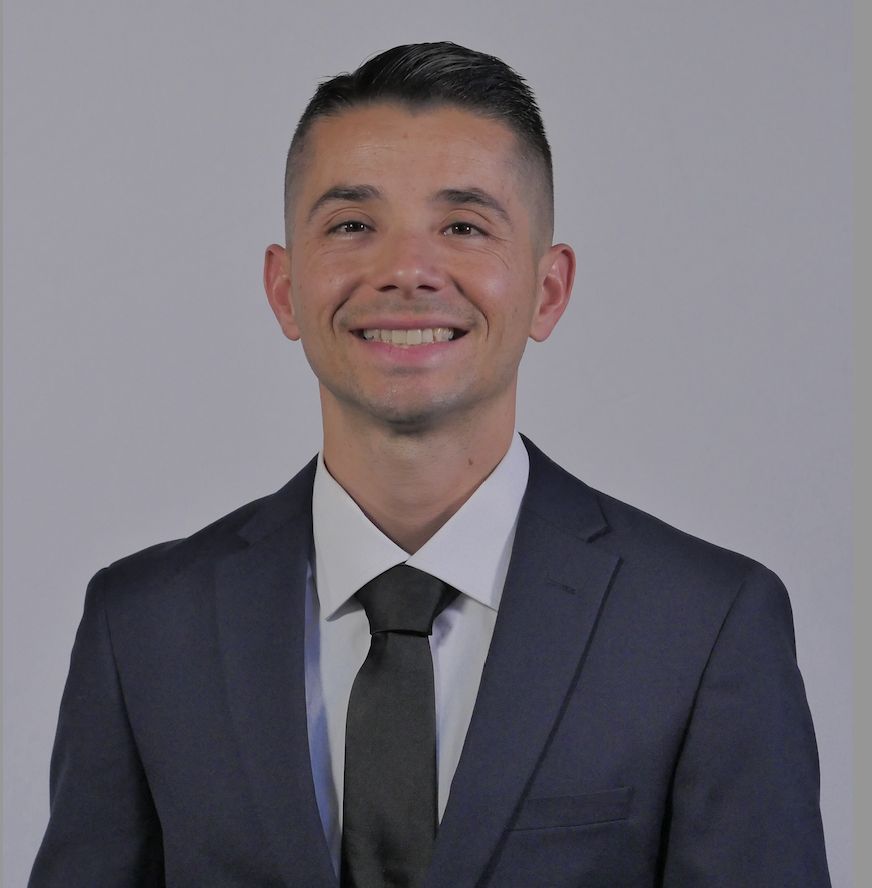
Martin Navarro helps California buyers get pre-qualified and structure SBA deals that account for the state's realities. Let's talk, confidentially and with no obligation.
Request a Buyer Consultation Call or text: 818-633-3254 · martin@martinthebizbroker.com