What Escrow Is
Escrow is a neutral third party that holds the funds and documents in a transaction, coordinates the conditions of the sale, and ensures money and ownership change hands only when everything is in order. In a business sale, the escrow holder protects both buyer and seller: the buyer's money is safe until the seller delivers the business as agreed, and the seller is assured of payment when they do. Nearly every business sale closes through escrow.
Whether you're buying or selling, get a broker's guidance to navigate escrow and closing smoothly, and avoid the delays and pitfalls.
What Escrow Does
The escrow holder acts as an impartial intermediary that:
- Holds the buyer's funds securely until closing conditions are met
- Coordinates the documents both parties sign
- Confirms conditions are satisfied — financing, lease assignment, clearances, approvals
- Handles payoffs, prorations, and disbursements at closing
- Records or delivers the transfer of ownership
Escrow serves the transaction, not either party, which is what makes it trustworthy.
How Escrow Protects Both Sides
Escrow removes the risk of one party performing before the other. The buyer doesn't hand over money and hope the seller delivers; the seller doesn't transfer the business and hope to get paid. Instead, both perform through the neutral escrow holder, which releases funds and transfers ownership simultaneously once all conditions are met. This mutual protection is why escrow is standard, especially given the large sums involved.
The Escrow Process
In a typical business sale, escrow opens after the purchase agreement is signed. During escrow, the parties satisfy conditions (the buyer finalizes diligence and financing, the lease is assigned, required clearances are obtained), sign the closing documents, and then close, funds are disbursed and ownership transfers. See what happens after you accept an offer.
State Rules Vary
Escrow requirements differ by state. Some, like California, have specific rules for business sales, such as bulk-sale notice to creditors and tax clearances, handled through a licensed escrow holder. Using an escrow holder experienced in business sales (not just real estate) matters, because business escrow involves clearances, license coordination, and lien searches a general closing doesn't. See closing successfully.
Note: This article is general educational information, not legal, tax, or financial advice. Escrow and closing requirements vary by state and deal — work with a qualified escrow holder, attorney, and CPA.
Frequently Asked Questions
What is escrow in a business sale?
Escrow is a neutral third party that holds the funds and documents in a transaction, coordinates the conditions of the sale, and ensures money and ownership change hands only when everything is in order. It protects both buyer and seller, the buyer's money is safe until the seller delivers the business, and the seller is assured of payment when they do.
How does escrow protect the buyer and seller?
Escrow removes the risk of one party performing before the other. Rather than the buyer handing over money and hoping the seller delivers, or the seller transferring the business and hoping to get paid, both perform through the neutral escrow holder, which releases funds and transfers ownership simultaneously once all conditions are met.
What does an escrow holder do in a business sale?
The escrow holder holds the buyer's funds securely, coordinates the documents both parties sign, confirms closing conditions like financing and lease assignment are satisfied, handles payoffs, prorations, and disbursements, and delivers the transfer of ownership. It acts as an impartial intermediary serving the transaction rather than either party.
Do all business sales use escrow?
Nearly all do, because escrow provides essential protection for the large sums involved. Some states, like California, have specific escrow requirements for business sales, such as bulk-sale notice and tax clearances. Using an escrow holder experienced in business sales, not just real estate, is important because business escrow involves clearances and coordination a general closing doesn't.
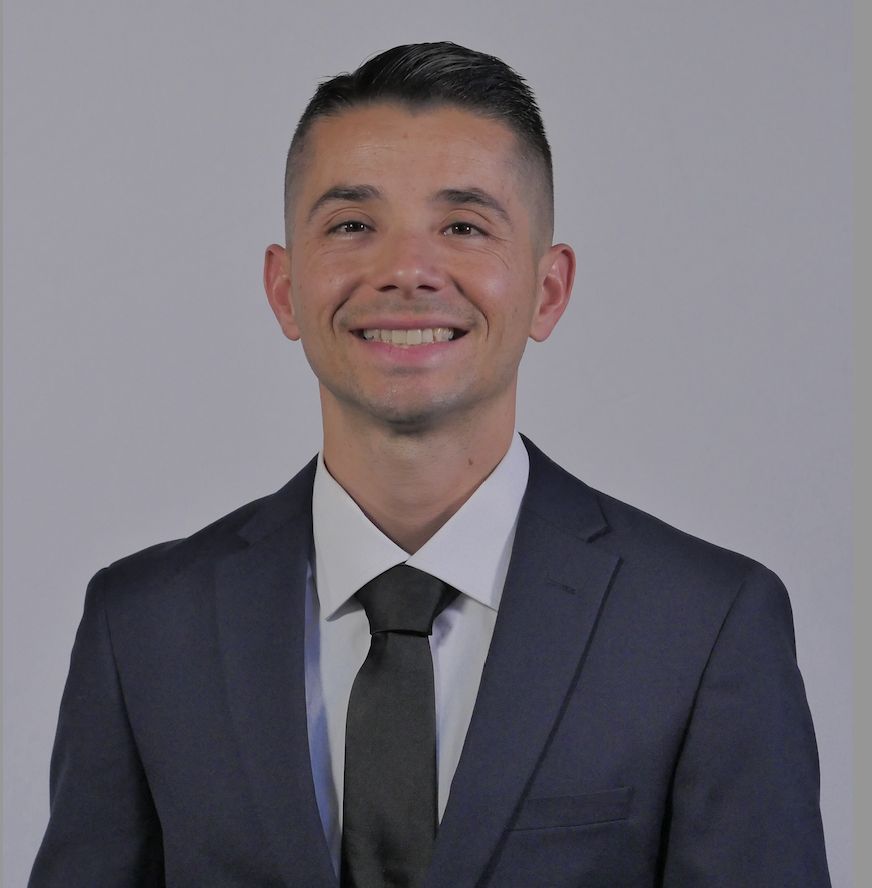
Questions About Escrow?
Martin Navarro helps buyers and sellers navigate escrow to a clean close. Let's talk, confidentially and with no obligation.
Request a Confidential Consultation Call or text: 818-633-3254 · martin@martinthebizbroker.com