What Escrow Fees Are
Escrow fees are the charges for the escrow holder's services, holding funds and documents, coordinating the closing, handling clearances and disbursements, and are typically a modest percentage of the sale price or a set fee schedule. They're one part of a deal's total closing costs. Understanding what they cover and who pays helps both buyer and seller budget accurately for closing.
Whether you're buying or selling, get a broker's guidance to navigate escrow and closing smoothly, and avoid the delays and pitfalls.
What Escrow Fees Cover
The escrow fee pays for the escrow holder's work in managing the transaction: holding and disbursing funds, coordinating documents, handling the bulk-sale notice and tax clearances (where applicable), conducting lien searches, and ensuring the conditions of closing are met. For business sales, this is more involved than a simple transaction, which is reflected in the fee. It's the cost of the neutral machinery that makes the deal close safely.
Who Pays Escrow Fees
Practice varies by region and negotiation, but escrow fees are commonly split between buyer and seller, or allocated by local custom. The purchase agreement and escrow instructions specify who pays what. This is a negotiable point, though it's usually a small enough amount that it's not a major deal issue. Clarify it in the agreement so there are no surprises at closing.
Typical Amounts
Escrow fees for a business sale are generally a modest amount relative to the transaction, often a percentage of the sale price on a sliding scale, or a flat fee, varying by escrow company and state. On most small-business deals, escrow fees are a minor line item compared with the purchase price. Your escrow holder provides a fee quote up front; ask for it early so you can budget.
Other Closing Costs
Escrow fees are just one closing cost. Others include legal fees, the lender's fees and SBA guarantee fee (on financed deals), the business valuation, lien and title searches, and recording fees. Buyers using an SBA loan can often finance many of these. Budget for the full picture, not just escrow. See how much money you need to buy a business and SBA closing costs.
The Takeaway
Escrow fees are a small, predictable part of closing a business sale, well worth the protection escrow provides. Clarify who pays them in the purchase agreement, get a quote from your escrow holder early, and budget for total closing costs alongside the down payment. See closing day and how escrow works.
Note: This article is general educational information, not legal, tax, or financial advice. Escrow and closing requirements vary by state and deal — work with a qualified escrow holder, attorney, and CPA.
Frequently Asked Questions
What are escrow fees in a business sale?
Escrow fees are the charges for the escrow holder's services, holding funds and documents, coordinating the closing, handling clearances and disbursements, typically a modest percentage of the sale price or a set fee. They're one part of a deal's total closing costs and reflect the more involved work of a business escrow versus a simple transaction.
Who pays escrow fees when selling a business?
It varies by region and negotiation, but escrow fees are commonly split between buyer and seller or allocated by local custom. The purchase agreement and escrow instructions specify who pays what. It's a negotiable point, though usually a small enough amount that it's not a major deal issue, clarify it in the agreement to avoid surprises.
How much are escrow fees for a business sale?
Generally a modest amount relative to the transaction, often a percentage of the sale price on a sliding scale or a flat fee, varying by escrow company and state. On most small-business deals, escrow fees are a minor line item compared with the purchase price. Your escrow holder provides a quote up front.
What other closing costs are there besides escrow?
Other closing costs include legal fees, the lender's fees and SBA guarantee fee on financed deals, the business valuation, lien and title searches, and recording fees. Buyers using an SBA loan can often finance many of these. Budget for the full picture of closing costs alongside the down payment, not just escrow fees.
Budgeting for Closing Costs?
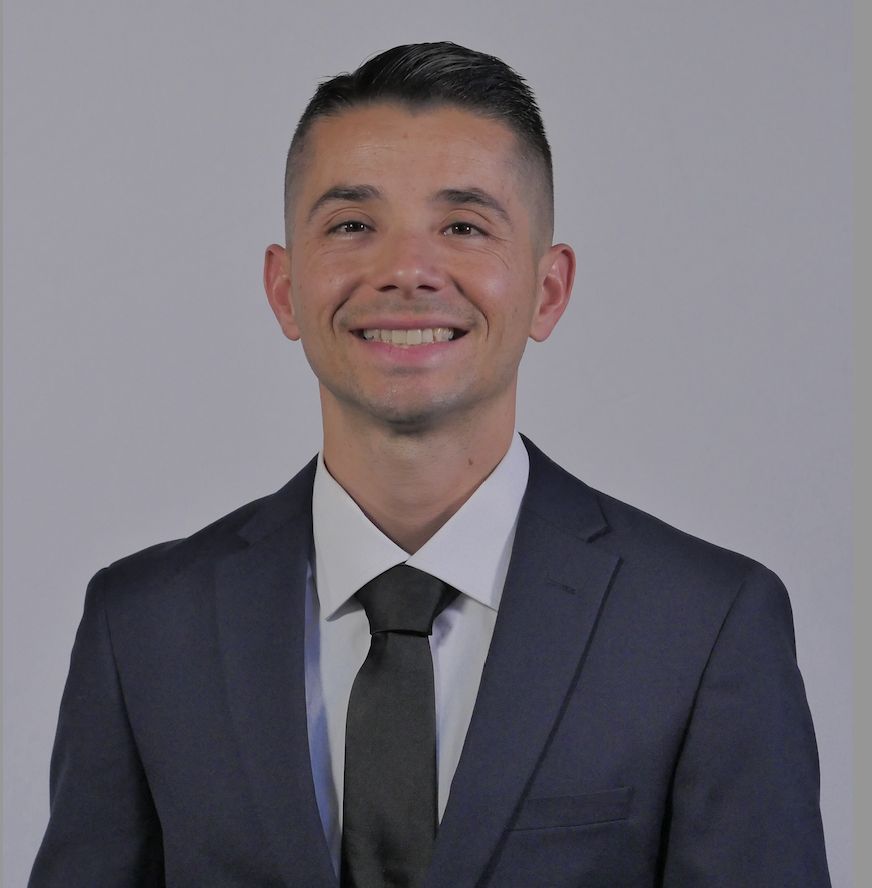
Martin Navarro helps buyers and sellers understand the full cost of closing a deal. Let's talk, confidentially and with no obligation.
Request a Confidential Consultation Call or text: 818-633-3254 · martin@martinthebizbroker.com