The Los Angeles Business Market: What You're Working With
Los Angeles County is home to over 244,000 employer businesses, spanning industries from entertainment and hospitality to manufacturing, logistics, and professional services. It's a dense, competitive buyer pool — and that's good news for sellers. Qualified buyers are constantly looking for established, cash-flowing businesses in LA and the surrounding areas including the San Fernando Valley, the Westside, the South Bay, and the San Gabriel Valley.
That said, the LA market comes with its own complexity. Buyers here are sophisticated. They've often looked at multiple deals and will scrutinize your financials, your lease, your customer concentration, and your owner dependency before making an offer. Sellers who go in unprepared — or who try to handle the process themselves — routinely leave significant money on the table or watch deals fall apart entirely.
Step 1: Get a Professional Business Valuation
Before you can sell, you need to know what your business is actually worth — not what you think it's worth, and not what your neighbor got for his auto shop three years ago. A proper valuation looks at your Seller's Discretionary Earnings (SDE) or EBITDA, applies an appropriate industry multiple, and factors in assets, lease terms, growth trends, and market conditions.
Overpricing is the most common reason businesses sit on the market and go stale. Underpricing means you walk away with less than you've earned. A professional broker will give you a realistic market value — not a number designed to get your listing, and not a guess pulled from thin air.
Rule of thumb: Most small-to-mid-sized LA businesses sell for 2x–4x SDE. Businesses with strong systems, recurring revenue, and reduced owner dependency command the higher end of that range.
Step 2: Prepare Your Business for Sale
Smart sellers spend 3–6 months preparing before they go to market. This means getting your financials in order (3 years of tax returns and P&Ls), addressing any obvious operational weaknesses, documenting your processes, and making sure your lease has enough term remaining to be attractive to a buyer.
In Los Angeles, buyers will also want to understand your staffing situation, your supplier relationships, and whether the business can run without you at the center of everything. If you're the only one who can do what you do, buyers will either discount the price or walk away entirely.
Ready to move forward with a broker? See how I help owners sell a business in Los Angeles, including a local valuation and full representation to closing.
Step 3: Confidentially Market the Business
This is where working with a broker becomes non-negotiable. You cannot afford to let employees, competitors, suppliers, or customers know your business is for sale before a deal is done. A premature leak can trigger employee departures, supplier concerns, and customer anxiety — all of which tank your value and your deal.
A qualified broker maintains a database of vetted, pre-qualified buyers and knows how to market your business blind — presenting enough information to attract serious buyers without exposing your identity. I use a proven confidentiality process that protects you throughout the entire transaction.
Step 4: Qualify Buyers and Negotiate Offers
Not every interested party is a real buyer. In LA especially, you'll encounter tire-kickers, competitors fishing for information, and individuals who can't actually secure financing. A broker filters out the noise so you're only spending time with buyers who are financially qualified and genuinely motivated.
When offers come in, the purchase price is only part of the equation. Terms matter just as much: the size of the down payment, seller financing requirements, the length and conditions of any transition period, and representations and warranties all affect your net outcome. Skilled negotiation at this stage can be worth tens of thousands of dollars.
Step 5: Due Diligence and Escrow
Once you have an accepted offer, the buyer will conduct due diligence — a detailed review of your financial records, contracts, equipment, permits, and operations. This phase typically runs 30–60 days and is where many deals break down. The best protection is preparation: sellers who have clean books and organized records sail through due diligence. Sellers who scramble to find documents or explain inconsistencies create doubt in the buyer's mind.
From there, the deal moves into escrow. In California, business sale escrows are handled by licensed escrow companies and typically take 30–45 days to close once all contingencies are satisfied. Your broker coordinates with the escrow officer, attorneys, and lenders to keep everything on track.
Why Local Expertise Matters
California has specific laws governing business sales, including bulk sale notice requirements, sales tax clearances, ABC license transfers, and more. An out-of-state broker or a generalist agent who doesn't know the California landscape can create costly delays or compliance problems. Working with a broker who is based in LA, knows the local buyer pool, and has closed transactions across the region is a material advantage.
Typical Timeline
- Valuation and preparation: 1–3 months
- Marketing and finding a buyer: 3–6 months
- Due diligence: 30–60 days
- Escrow and closing: 30–45 days
From the day you engage a broker to the day you close, most business sales in California take 6–12 months. Businesses that are well-prepared and priced correctly close faster. Businesses that are overpriced or under-documented take longer — or don't sell at all.
What Does It Cost to Sell a Business in Los Angeles?
Most business brokers work on a success fee — a percentage of the final sale price, paid only when the deal closes. For main street businesses in the LA market, that fee commonly runs in the 8 to 12 percent range, often on a sliding scale that steps down as the price rises into the lower middle market. Some brokers also charge upfront retainers or separate valuation fees.
I work differently: no upfront fees. I am paid a success fee only when your business sells and the deal closes, which keeps my incentives aligned with yours — I only get paid when you get paid. Beyond the broker fee, budget for your own transaction costs, which usually include your attorney, your CPA, and escrow fees.
Taxes When You Sell a Business in California
How your sale is taxed depends on how the deal is structured, and it can meaningfully change what you actually keep. A few basics every LA seller should understand:
- Asset sale vs. stock sale. Most small business sales in California are structured as asset sales. How the price is allocated across assets — equipment, goodwill, inventory — affects whether gains are taxed as ordinary income or at lower long-term capital gains rates.
- Federal and California treatment. California has no separate capital gains rate; the gain is taxed as ordinary state income on top of your federal capital gains. That combined burden is exactly why planning before you sell matters.
- Timing and installment sales. Seller financing or an installment sale can spread the gain — and the tax — across multiple years instead of taking it all in one.
This is general information, not tax advice. Bring your CPA or tax attorney in early, ideally before you go to market, so the deal is structured in your favor from the start. I coordinate with your advisors throughout the sale.
Frequently Asked Questions
How long does it take to sell a business in Los Angeles?
Most LA business sales take 6 to 12 months from the day you engage a broker to closing. Well-prepared, correctly priced businesses close faster; overpriced or under-documented ones take longer or do not sell at all.
Do I need a broker to sell my business in Los Angeles?
You can sell on your own, but a broker protects confidentiality, qualifies buyers, negotiates terms, and handles California-specific requirements like bulk sale notices, ABC license transfers, and escrow, which is where many DIY deals fall apart.
How much is my Los Angeles business worth?
Most small-to-mid-sized LA businesses sell for roughly 2x to 4x Seller's Discretionary Earnings. Strong systems, recurring revenue, and reduced owner dependency push you toward the higher end. A professional valuation gives you a defensible number.
What does it cost to sell a business in Los Angeles?
Most brokers charge a success fee — a percentage of the sale price paid at closing, commonly 8 to 12 percent for main street businesses. Martin Navarro charges no upfront fees and is paid only when your business sells and the deal closes.
Do I pay taxes when I sell my business in California?
Yes. Sale proceeds are generally taxed as capital gains at the federal level, and California taxes the gain as ordinary state income. How the deal is structured and how the price is allocated affect the total, so involve your CPA before you sell. This is general information, not tax advice.
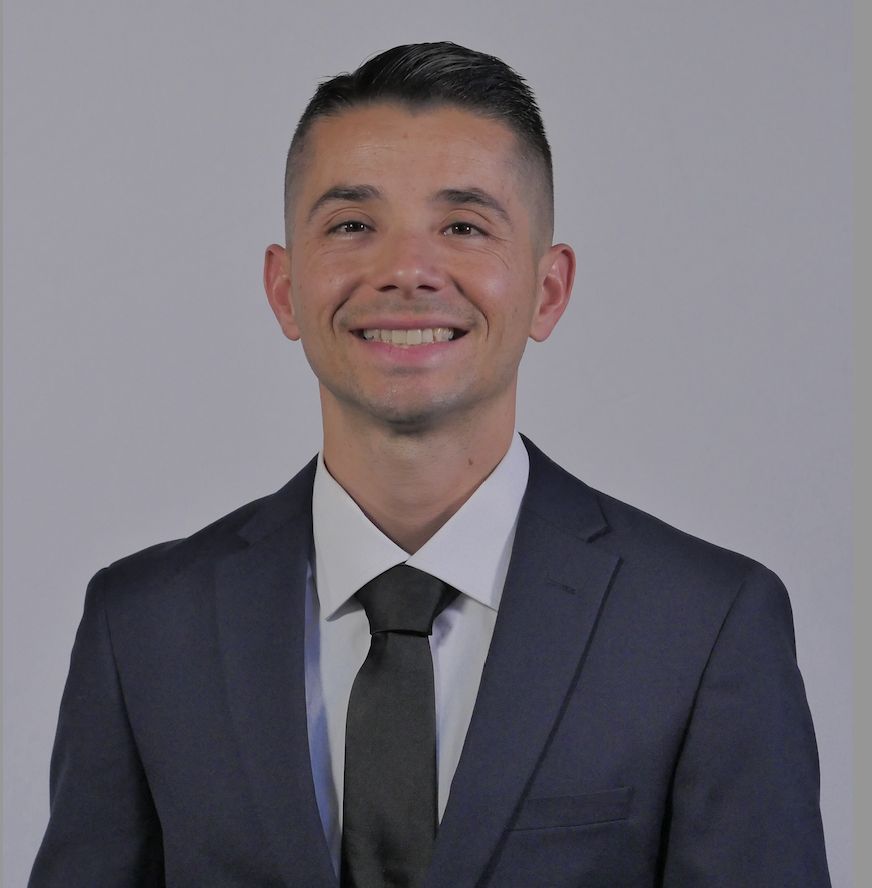
Ready to Explore Selling Your LA Business?
Martin Navarro has helped business owners across Los Angeles navigate the sale process from start to finish. The first conversation is always confidential and comes with no obligation.
Schedule a Confidential Consultation Call or text: 818-633-3254 · martin@martinthebizbroker.com