Distributors sell on customer accounts, supplier lines, and inventory. Here is how the book and the warehouse set the value.
A distribution business is valued on its customer accounts and supplier relationships, a diversified base of repeat customers and, critically, the supplier lines and any exclusive or territory rights that let you sell what you sell. Whether those lines transfer to a buyer is a central question.
Inventory, margins, and logistics round it out. Inventory is a major asset valued separately, and margins, turns, warehouse and fleet, and any owned real estate all shape the deal. Customer and supplier concentration are key risks buyers examine.
Most buyers value a distribution business on a multiple of Seller's Discretionary Earnings (SDE), your profit plus the owner's salary and the personal expenses run through the business.
Distribution businesses are typically valued on a multiple of SDE or adjusted EBITDA, commonly around 2.5 to 4.5 times, plus inventory at cost and any real estate valued separately, with diversified customers, secure supplier lines, and healthy turns at the higher end. I present your accounts, lines, and inventory and rebuild earnings with proper add-backs.
A broker's job is to rebuild your SDE with the right add-backs so your true earning power, not just the tax-return bottom line, sets the price. Get a free, confidential valuation →
Selling a distribution business works best when no one finds out until the right moment. Employees, competitors, customers, and suppliers learning early is the number-one fear owners have, and for good reason, it can cost you staff and revenue mid-sale. I market every business with a blind profile: a teaser that describes the opportunity, the numbers, and the area only in general terms, and never names your business. Every buyer is screened and signs a non-disclosure agreement before they learn which business is for sale. Your team keeps working, your customers keep coming, and your sale stays private until it closes.
Get a free, confidential valuation, built on your real numbers, with no obligation.
Request My ValuationNot always automatically, some supplier agreements and exclusive or territory rights require the supplier's consent at a change of ownership. Because these lines are core to value, we identify early which transfer and address any consent needs.
Inventory is a major asset usually valued and sold separately at cost, with slow-moving or obsolete stock discounted. Keeping it distinct from business earnings gives both sides a clean, financeable structure.
Yes. Heavy reliance on a few customers or a single supplier line is a risk buyers discount for. A diversified base on both sides raises value, and we present concentration honestly with any mitigants.
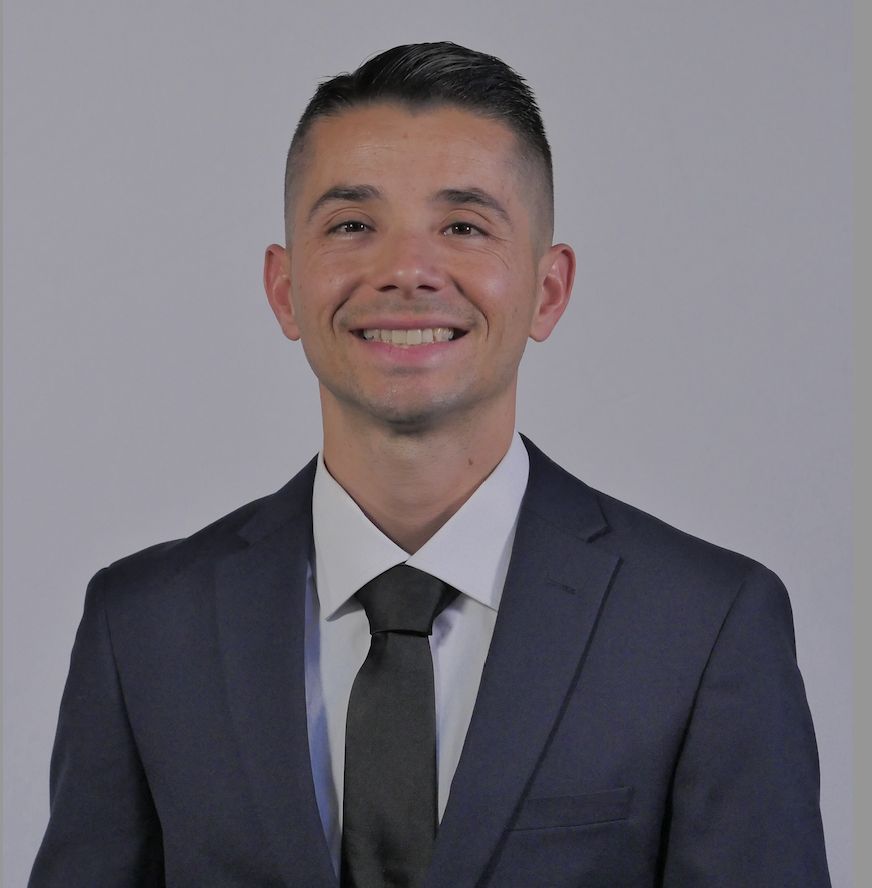
Martin Navarro is a California business broker, DRE #02372118, and a U.S. Marine Corps veteran. He is bilingual in English and Spanish and a member of the California Association of Business Brokers (CABB), the International Business Brokers Association (IBBA), ACG Los Angeles (Association for Corporate Growth), and the Santa Clarita Valley Chamber of Commerce. Gas stations, car washes, self-storage, and other businesses with real estate are a specialty within his full-service brokerage practice. Martin serves business owners across Los Angeles, the Inland Empire, Ventura, and Orange County, and throughout Southern California.
Tell me about your distribution business. Every inquiry is confidential and there is no obligation.