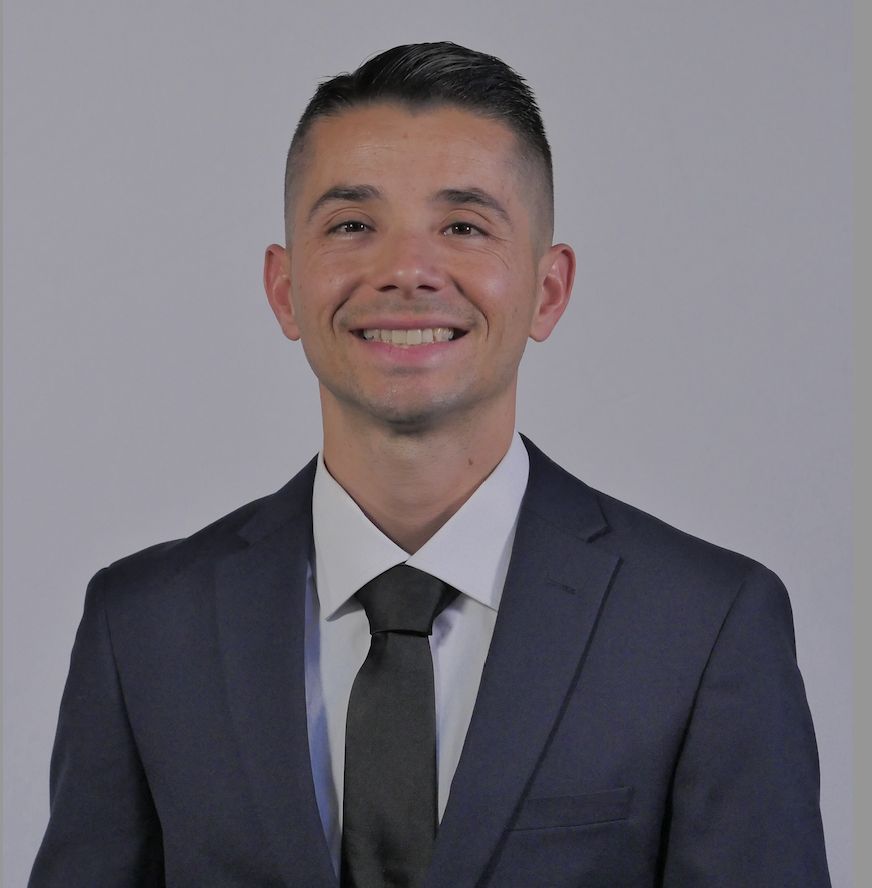
Selling a franchise is different from selling an independent business because it requires franchisor approval, transfer fees, and buyer training. Martin Navarro, Business Broker, guides franchisees through the full transfer process in Los Angeles County, Ventura County, and surrounding areas.
Selling a franchise is more involved than selling an independent business because the franchisor controls who can buy it and on what terms. Here is what makes a franchise transfer different.
Selling a franchise requires the franchisor to approve your buyer. The buyer usually completes an application and training before the transfer can close, which independent business sales do not require.
Franchise transfers usually involve a transfer fee paid to the franchisor. The amount is set in your franchise agreement, and we account for it when we structure the deal.
Many franchise agreements give the franchisor a right of first refusal to match your buyer's offer. We plan the marketing and offer process so this does not derail your sale.
Franchise buyers typically must complete the franchisor's training program before closing. We qualify buyers for franchisor fit early so training does not stall the deal.
Some franchisors require a remodel or equipment upgrade at transfer. We identify these obligations up front so they are priced into the deal and not a surprise at the closing table.
A franchise sale moves from valuation through confidential marketing to franchisor approval and close. Here is the process I guide franchisees through.
We start with a confidential conversation about your franchise, your goals, and your timeline.
We establish a defensible value range based on your earnings, your lease, and franchise-specific factors.
We organize your financials, lease, and franchise documents into a clean package buyers and the franchisor expect.
We review your Franchise Disclosure Document and franchise agreement to map transfer fees, approval, and any right of first refusal.
Your franchise is marketed to qualified buyers without naming it, protecting your staff, customers, and standing with the franchisor.
Every buyer is screened for financial capability and franchisor fit, and signs a non-disclosure agreement before details are shared.
We negotiate price and terms and sign a letter of intent that opens due diligence and the franchisor application.
The buyer applies to the franchisor and completes required training. We keep the approval moving so it does not stall the deal.
We manage due diligence, financing, the transfer fee, and closing, then plan a smooth transition to the new owner.
Most franchises are valued on a multiple of seller's discretionary earnings, the profit that reaches the owner after normal operating costs. That multiple is adjusted for the lease, the condition of the equipment, the remaining term on the franchise agreement, and the strength of the brand.
Royalty and advertising fund fees are ongoing payments to the franchisor, and they reduce the earnings that reach the owner. That means a franchise can be valued differently than an independent business with the same sales, because a portion of revenue goes to the franchisor every month. In exchange, an established brand, a proven system, and franchisor support can give buyers and lenders more confidence, which supports the sale.
Clean and verifiable financials, a strong and transferable lease, healthy remaining term on the franchise agreement, up to date equipment, and low owner dependence all raise value. A defensible valuation up front is what lets you price correctly and attract approvable buyers.
Most franchise resales take six to twelve months from valuation to close. Valuation and preparation run one to three months, confidential marketing and finding an approvable buyer take three to six months, and franchisor approval, buyer training, financing, and closing add another 60 to 90 days.
Franchisor approval and required training are the parts most likely to extend a franchise sale, which is why preparing your FDD, lease, and financials early is the best way to keep the timeline on track.
We help owners sell franchises across food, fitness, services, and retail brands. Select your brand to learn about its transfer process, or contact us if your brand is not listed.
To sell a franchise you get a valuation, prepare your financials and franchise documents, market confidentially to qualified buyers, negotiate an offer, and obtain franchisor approval of the buyer before closing. A business broker who understands franchise transfers manages each step so you can keep operating.
Yes. In almost every franchise system the franchisor must approve your buyer before the transfer can close. The buyer usually completes an application and training, and the franchise agreement sets the requirements, which is why reviewing your FDD early matters.
A transfer fee is a fee paid to the franchisor when a franchise changes hands. It varies by brand and is set in your franchise agreement, and it is one of the costs we account for when structuring the deal.
A right of first refusal lets the franchisor match an accepted offer and buy the franchise itself before it transfers to your buyer. Many franchise agreements include one, so we plan the marketing and offer process around it.
Most franchises are valued on a multiple of seller's discretionary earnings, adjusted for the lease, equipment condition, remaining franchise term, and brand strength. Royalty and advertising fund fees are already reflected in the earnings, which affects value compared with an independent business.
Royalty and advertising fund fees reduce the earnings that reach the owner, so a franchise can value differently than an independent business with the same sales. In exchange, an established brand and proven system can give buyers and lenders more confidence.
Most franchise resales take six to twelve months from valuation to close. Franchisor approval and required buyer training can add time, so preparing your documents early helps keep the timeline on track.
No. The sale is confidential. Buyers are screened and sign a non-disclosure agreement before they learn which franchise is for sale, which protects your team, your customers, and your relationship with the franchisor.
You are not required to use one, but a broker who understands franchise transfers handles valuation, confidential marketing, buyer screening, and the franchisor approval process. That guidance helps you reach qualified, approvable buyers and avoid delays.
An FDD, or Franchise Disclosure Document, is the document a franchisor provides that sets out the rules of the franchise, including transfer fees, approval requirements, and any right of first refusal. Reviewing it early shapes how your resale is structured.
Martin Navarro is a licensed California business broker, DRE #02372118, and a U.S. Marine Corps veteran. He is bilingual in English and Spanish and a member of the California Association of Business Brokers (CABB) and the International Business Brokers Association (IBBA). Franchise resales are a specialty within his full-service brokerage practice, and he is affiliated with First Choice Business Brokers. Martin serves business owners across Los Angeles County, Ventura County, and surrounding areas.
Tell me about your franchise. Every inquiry is confidential and there is no obligation.
The first conversation is confidential and there is no obligation. Serving Los Angeles County, Ventura County, and surrounding areas.