Exit Options Study | Exit Planning for Business Owners in LA
Exit Options Study

Before You Sell, See Every Option Side by Side

Most owners are asked one question: what do you think the business is worth? I start with a better one: what are you trying to accomplish? The Exit Options Study compares every realistic path for you and your company on one page, so you decide with the full picture.

California business broker, DRE #02372118 Member, CABB, IBBA & ACG LA Accounting & Business, CSU Northridge U.S. Marine Corps Veteran Bilingual English & Spanish

“What are you trying to accomplish as an owner?”

Price matters. But price alone rarely answers the real questions an owner is weighing. The study begins with a confidential conversation about what you actually want.

How much, and when?

How much cash do you need out of the business, and on what timeline? Is there a number that changes your life?

All of it, or part of it?

A full exit, taking some chips off the table now, or keeping a stake for a second payday when the company sells again.

Your role after

Walk away at closing, stay a year or two to transition, or keep running the company with a partner behind you.

What matters besides price

Your name and legacy, your family, long-time employees, key customers, your community, and the life you want next.

What you would regret

The outcomes that would keep you up at night after the deal closes, so we can rule them out up front.

How ready the company is

Whether your financials, systems, and team would hold up under a buyer’s due diligence today.

You have a business plan. Do you have an exit plan?

Most owners run their company with some kind of strategic plan and an operating budget. Very few have a written plan for the single largest financial event of their life: turning the company into personal wealth.

Without a plan, the exit happens on someone else’s terms. An unsolicited offer arrives, a health issue or partner dispute forces a decision, or the market shifts after the best window has passed. Owners in that position negotiate against one buyer, with no alternatives and no leverage.

The study fixes that. It gives you a clear view of your options while you are still in control of the timing, and it shows what to improve now so the company is worth more whenever you decide to act.

A decision document, not a sales pitch

At the end of the study you and I sit down with one clear document. It answers the questions that matter before you commit to anything.

A realistic value range

Pessimistic, expected, and optimistic value, tied to what private equity, strategic, and individual buyers are paying in your industry today.

Every option on one page

An apples-to-apples comparison of each path: estimated cash at closing, value over three to five years, and how much of your wealth stays tied to the company.

A scorecard beyond money

Each option rated on legacy, employees, control over who runs the company next, time to complete, and your lifestyle.

What buyers and lenders think

A discreet, no-name read on what the market would actually pay and finance, so the numbers are tested, not guessed.

A value-improvement list

The specific issues a buyer would discount you for, ranked by what they cost you and how fast they can be fixed.

A recommended path

My honest recommendation, including “not yet” when that is the right answer, and the timeline to get there.

Eight steps from question to decision

A disciplined, repeatable process, the same way institutional advisors approach larger companies, sized for owner-led businesses.

Define your objectives

A confidential working session on your financial goals and the non-financial ones: legacy, family, employees, customers, community, and lifestyle.

Read your industry

Consolidation trends, who is buying in your space, competitive pressure, and the policy or economic forces that affect your value.

Read the capital markets

What lenders will finance, what private equity and strategic buyers are paying, and how much appetite exists right now for a company like yours.

Establish a value range

An informal valuation built on normalized earnings, with pessimistic, expected, and optimistic cases and the factors that move you between them.

Map the realistic options

Keep and grow, sell all of it to a strategic or financial buyer, sell a majority and keep a stake, recapitalize, transfer to management or family, or an ESOP.

Model the money

Estimated proceeds and value over three to five years for each option, with tax effects modeled together with your CPA.

Score what matters beyond money

Rate each option against your non-financial goals, then pressure-test the leading options with you and, discreetly, with the market.

Decide, then execute

You choose the path. If it is a sale, we move into a prepared, competitive process. If it is not, you leave with a plan to build value.

What the side-by-side looks like

A hypothetical family-owned company with about $20M in revenue and $3M in EBITDA. The owner, age 61, wants financial security, wants the company to stay local, and wants long-time employees protected.

OptionEst. cash at closing (after tax*)Est. total value over 5 yearsWealth still tied to companyTime to complete
Keep and grow$0$14M – $20MAbout 90%Ongoing
Sell 100% to a strategic buyer$11M – $13M$12M – $15M0% – 10%6 – 12 months
Sell a majority to private equity, keep a stake$8M – $9.5M$14M – $21M25% – 35%6 – 12 months
Management or family buyout$2M – $4M$10M – $13M60% – 75%3 – 9 months
ESOP$4M – $8M$11M – $15M40% – 60%6 – 12 months
OptionLegacy and nameSay in who runs it nextEmployees protectedLifestyle flexibility
Keep and growStrongFullStrongLimited
Sell 100% to a strategic buyerLimitedLimitedVariesStrong
Sell a majority to private equityModerateSharedModerateModerate
Management or family buyoutStrongStrongStrongModerate
ESOPStrongModerateStrongModerate

*Illustrative only. All figures are hypothetical and rounded, and are not a forecast or valuation of any company. Actual tax results depend on your situation and deal structure and are modeled with your CPA. Options involving equity partners, recapitalizations, or an ESOP are evaluated with the appropriate specialists.

What this owner learned: the highest cash at closing (a 100% strategic sale) scored lowest on legacy and control. Selling a majority to private equity and keeping a stake paid less up front but had the highest five-year value and kept the owner involved. That is a conversation a single valuation number never starts.

One advisor coordinating the whole team

A larger transaction touches more professionals. The study brings them in early, so your options are tested by the people who will ultimately have to make them work.

Your CPA and quality-of-earnings providers confirm normalized earnings and model the tax effect of each option.

M&A counsel reviews structure, liability, and the legal side of each path.

Lenders tell us what a buyer, your management team, or an ESOP could actually finance.

Private equity groups, family offices, and strategic acquirers give a discreet read on appetite and pricing for a company like yours.

If you do not have one of these advisors yet, I can introduce you to professionals who work on transactions of your size every day.

A flat fee, credited if we go to market

The Exit Options Study is a flat-fee engagement, quoted after a free, confidential 30-minute introductory call based on the size and complexity of your company.

If the study leads to a sale and you engage me to represent you, the full study fee is credited against my fee at closing. If the study shows the right move is to wait, you keep a written plan to build value and a clear view of your options for when the time is right.

Already know you want to sell? See my lower middle market sale process → For owners of aerospace and defense suppliers, see selling an aerospace or defense manufacturer →

Exit Options Study questions, answered

It is a structured review of every realistic path for you and your company, including keeping it, selling all of it, selling part of it, or transferring it to family or management. Each path is compared side by side on estimated proceeds, long-term value, risk, and the things that matter to you beyond money, so you can make the decision with the full picture in front of you.

A valuation answers one question: roughly what the company is worth today. The study starts with what you want to accomplish, then uses the value range as one input to compare several different paths. Many owners discover that the best outcome is not the highest headline price, and that timing or structure changes what they actually keep.

No. The study is designed to give you a decision, not to push you into a listing. If the right answer is to keep running the business, grow it for a few years, or fix a few things before going to market, I will tell you that directly.

It is a flat-fee engagement quoted after a free, confidential introductory call, based on the size and complexity of your company. If you later engage me to represent you in a sale, the full study fee is credited against my fee at closing.

Most studies take three to six weeks from our first working session to the final review meeting, depending on how quickly financial information is available and how many options are worth modeling.

No. The study is done between you, me, and the advisors you choose to include. If we test buyer or lender appetite, it is done on a no-name basis under confidentiality, and nothing about your company is shared without your approval.

No. Tax estimates are prepared with your CPA, and legal questions go to your attorney. Options that involve equity partners, recapitalizations, or an ESOP are evaluated together with the appropriate specialists. My role is to organize the options, bring the market perspective, and run the process.

It is built for owners of established, profitable companies, typically valued from about $2M to $50M, where the choice between selling, partnering, or waiting has a large effect on family wealth.

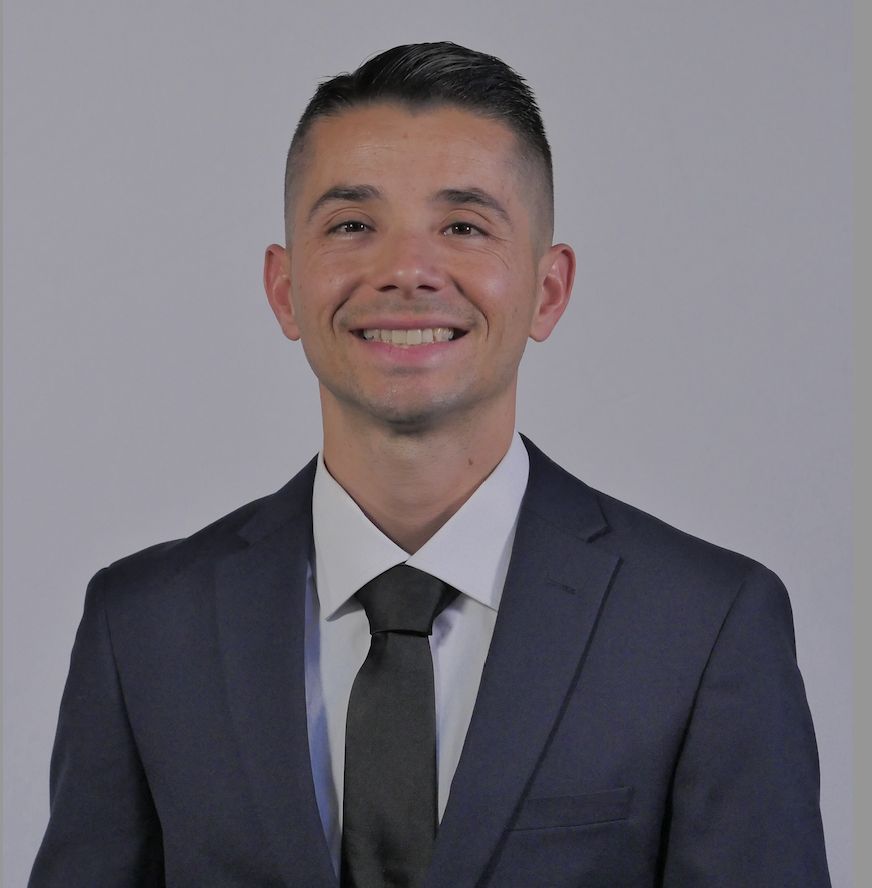
Martin Navarro, Business Broker

Martin Navarro, Business Broker

Martin Navarro is a California business broker, DRE #02372118, and a U.S. Marine Corps veteran. He is bilingual in English and Spanish and a member of the California Association of Business Brokers (CABB), the International Business Brokers Association (IBBA), ACG Los Angeles (Association for Corporate Growth), and the Santa Clarita Valley Chamber of Commerce. Franchise resales are a specialty within his full-service brokerage practice. Martin serves business owners across Los Angeles, Ventura, San Bernardino, Riverside, and Orange County, and throughout Southern California.


Request an Exit Options Study

Start with a free, confidential 30-minute call. Tell me a little about your company and what you want to accomplish.