How to Sell a Liquor or Wine Store in California | Martin Navarro, Business Broker
Sell Your Business Buy a Business Sell My Franchise Free Valuation Insights Service Areas Contact (818) 633-3254
Retail and Consumer · Seller's Guide

How to Sell a Liquor or Wine Store

Liquor stores sell on the license, location, and inventory. Here is how the off-sale license and lease set the value.

What makes selling a liquor store different

A liquor store's value centers on its off-sale license, location, and lease. A Type 21 off-sale general license transfers through escrow with ABC approval, and in limited-license areas the license itself carries real value. Location and a strong, assignable lease are equally central.

Inventory and margins are the other factors. Inventory is often valued separately at cost, and the mix of liquor, wine, beer, and any convenience or lottery income shapes margins. Like other cash-and-license businesses, verifiable books matter to buyers.

What is a liquor store worth?

Most buyers value a liquor store on a multiple of Seller's Discretionary Earnings (SDE), your profit plus the owner's salary and the personal expenses run through the business.

Liquor stores are typically valued at about 2 to 3 times SDE, plus inventory at cost and the standalone value of the license where it is limited. I rebuild SDE with proper add-backs and present clean, verifiable numbers, inventory, and the license so the full value is captured.

A broker's job is to rebuild your SDE with the right add-backs so your true earning power, not just the tax-return bottom line, sets the price. Get a free, confidential valuation →

Selling without your staff or competitors finding out

Selling a liquor store works best when no one finds out until the right moment. Employees, competitors, customers, and suppliers learning early is the number-one fear owners have, and for good reason, it can cost you staff and revenue mid-sale. I market every business with a blind profile: a teaser that describes the opportunity, the numbers, and the area only in general terms, and never names your business. Every buyer is screened and signs a non-disclosure agreement before they learn which business is for sale. Your team keeps working, your customers keep coming, and your sale stays private until it closes.

What's your liquor store actually worth?

Get a free, confidential valuation, built on your real numbers, with no obligation.

Request My Valuation

Selling a liquor store, answered

A Type 21 off-sale general license transfers to the buyer through escrow with ABC approval, which takes time. Where licenses are capped, the license also carries market value we account for separately. I coordinate the transfer with escrow so timelines line up.

Usually inventory is valued and sold separately, at cost or an agreed value, on top of the business's earnings, because it fluctuates. Keeping the business value and inventory distinct gives both sides a clean structure.

Yes. We market with a blind profile and NDAs so staff, customers, and competitors do not learn you are selling until the right stage.

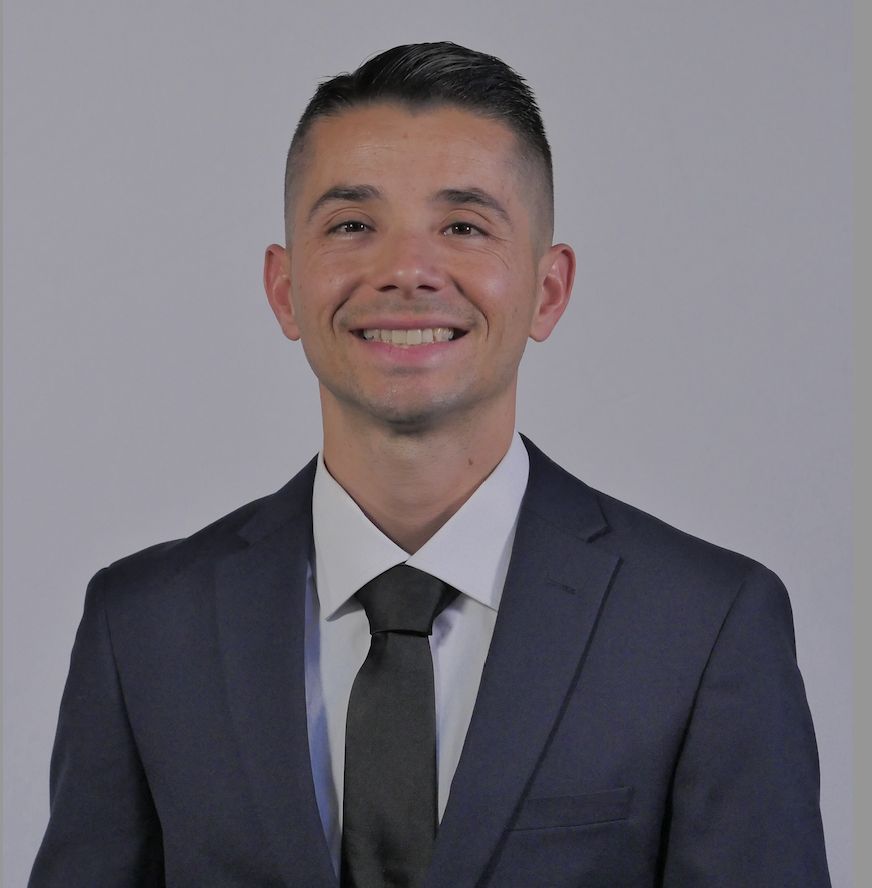
Martin Navarro, Business Broker

Martin Navarro, Business Broker

Martin Navarro is a California business broker, DRE #02372118, and a U.S. Marine Corps veteran. He is bilingual in English and Spanish and a member of the California Association of Business Brokers (CABB), the International Business Brokers Association (IBBA), ACG Los Angeles (Association for Corporate Growth), and the Santa Clarita Valley Chamber of Commerce. Gas stations, car washes, self-storage, and other businesses with real estate are a specialty within his full-service brokerage practice. Martin serves business owners across Los Angeles, the Inland Empire, Ventura, and Orange County, and throughout Southern California.

Get a Free, Confidential Valuation

Tell me about your liquor store. Every inquiry is confidential and there is no obligation.